
Unit G1, B 2/440, Roshan Marg, Vaishali Nagar, Jaipur Mon - Sat: 10:00 AM - 4:00 PM
whatsapp image
Rhythm Management

Best Pacemaker Specialist in Jaipur

Regain your natural heart rhythm and eliminate fatigue. Consult Dr. Anshu Kabra for advanced, minimally invasive Permanent Pacemaker Implantation (PPI) to treat bradycardia safely and effectively.

Is Your Heart Beating Too Slowly?

Understanding Bradycardia

A healthy resting heart beats 60 to 100 times a minute. When the heart's electrical system malfunctions, the rate can drop dangerously low (Bradycardia), starving your body of oxygen-rich blood. Look out for these critical signs:

Extreme Fatigue

Feeling constantly exhausted or drained of energy, even after a full night's rest or minimal physical exertion.

Dizziness & Fainting

Experiencing lightheadedness, sudden dizzy spells, or actually fainting (syncope) due to lack of blood flow to the brain.

Shortness of Breath

Struggling to catch your breath during routine daily activities or feeling chest tightness and confusion.

The Solution

How a Pacemaker Restores Your Life.

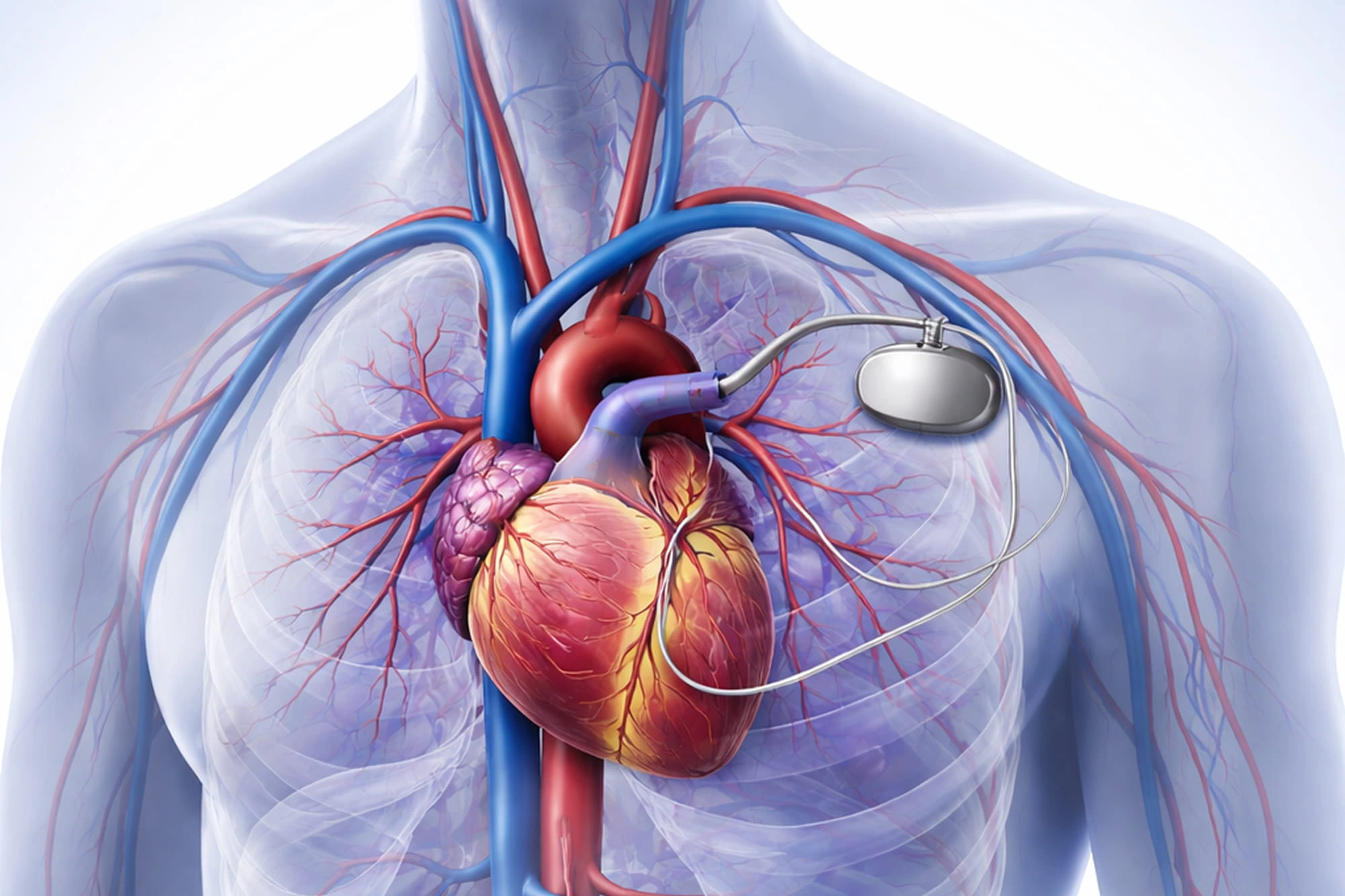
A Permanent Pacemaker (PPI) is a small, sophisticated device implanted just under the skin of your chest. It acts as an artificial electrical system for your heart. Whenever it detects your heart rate dropping too low, it instantly sends painless electrical impulses to prompt your heart to beat at a normal, healthy pace.
  • 1. Minimally invasive, typically performed under local anesthesia.
  • 2. Instantly eliminates symptoms like fainting and extreme fatigue.
  • 3. Smart technology adapts to your daily exercise and rest cycles.
  • 4. Fast recovery, with most patients discharged within 24-48 hours.
Pacemaker Implantation (PPI)
The Procedure

How Permanent Pacemaker Implantation (PPI) Works

A minimally invasive, non-open-chest procedure performed under local anesthesia — most patients are awake, comfortable, and home within days.

1
Diagnostic Mapping

Dr. Kabra conducts a thorough ECG, Holter monitoring, and echocardiogram to pinpoint the exact nature of your electrical malfunction before recommending surgery.

2
The Procedure

Under local anesthesia, a small incision is made near the collarbone. Specialized wires (leads) are gently guided through a vein into your heart using precise X-ray imaging. The pacemaker generator is then connected and placed under the skin.

3
Programming & Recovery

Before leaving the cath lab, Dr. Kabra programs the device to match your unique physiological needs. After a short 1-2 day hospital stay, you can return home with a restored, reliable heartbeat.

Cardiac catheterization lab where pacemaker implantation procedures are performed
Narayana Hospital Additional Director, Cardiology
Why Trust Dr. Anshu Kabra

Precision That Protects Every Heartbeat

15+ Yrs
Clinical Experience
20,000+
Cardiac Procedures
Add. Director
Narayana Multispecialty Hospital
Device implantation requires absolute precision to avoid lead displacement or infection. With over 400+ successful implantations, Dr. Kabra offers the highest level of technical safety in Jaipur.

My father’s heart rate was dropping to dangerous levels, causing him to faint frequently. Dr. Kabra explained the pacemaker procedure so calmly. The surgery was flawless, and my father got his life back the very next day. Truly the best pacemaker specialist in Jaipur.

Pacemaker FAQs

Questions Patients Ask Most

Clear, honest answers about device therapy — so you can make an informed decision with confidence.

Ask Dr. Kabra Directly

Modern pacemakers have a highly efficient battery life, typically lasting between 7 to 12 years depending on how frequently the device needs to pace your heart. Dr. Kabra will monitor the battery level during routine check-ups. When it runs low, the generator is easily replaced in a simple, quick outpatient procedure without disturbing the existing leads in your heart.

Yes, standard household appliances like microwaves, televisions, and radios are completely safe to use. You can also safely use a cell phone, but it is generally recommended to hold the phone to the ear opposite to the side where your pacemaker was implanted, and to avoid carrying the phone in a breast pocket directly over the device.

No. A standard pacemaker delivers tiny, imperceptible electrical impulses to regulate a slow heartbeat. You will not feel these impulses. However, if you are receiving an ICD (Implantable Cardioverter Defibrillator) for fast, dangerous arrhythmias, it may deliver a noticeable shock to save your life during a cardiac event. Dr. Kabra will explain exactly which device is right for you.

Request a Priority Pacemaker Evaluation

Share your details and our care coordinator will reach out within a few hours to schedule your assessment.

Please enter the patient's name.
Please enter a valid mobile number.
WhatsApp Call Now Book Now