
Protect yourself from Sudden Cardiac Arrest and manage severe heart failure. Consult Dr. Anshu Kabra for advanced ICD and CRED/CRTD implantations to restore your heart's pumping efficiency.
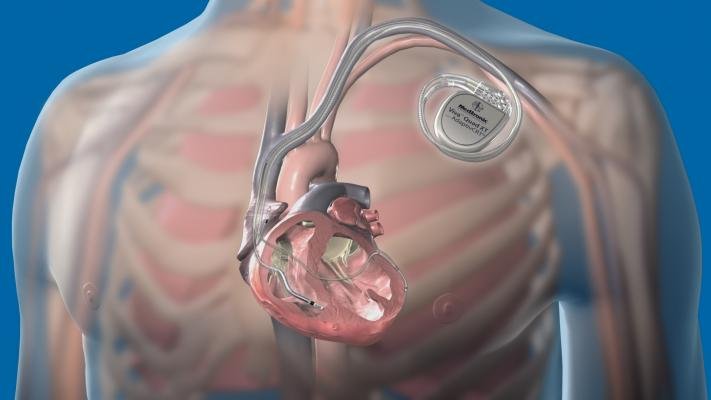
Unlike standard pacemakers (which treat slow heartbeats), ICDs and CRTDs are specialized microcomputers designed for patients with a weakened heart muscle or severe heart failure. Look out for these critical warning signs:
Extreme shortness of breath during minor physical activities or waking up gasping for air at night (a key sign of reduced Ejection Fraction).
Experiencing sudden, uncontrollable palpitations or a "racing" heart that causes dizziness, fainting, or near-blackouts.
Patients who have previously suffered a major heart attack and have a weakened left ventricle are at high risk for fatal arrhythmias.
While both devices look similar to pacemakers, their functions are entirely different and life-saving:
Dr. Kabra performs a detailed echocardiogram to measure your Left Ventricular Ejection Fraction (LVEF). If your heart is pumping below 35% efficiency, an ICD or CRTD is typically mandated by global medical guidelines.
Under local anesthesia, the device is placed under the skin near the collarbone. For a CRTD, Dr. Kabra expertly navigates three separate leads into the right atrium, right ventricle, and the outer wall of the left ventricle to ensure perfect synchronization.
The microcomputer is then meticulously programmed. For heart failure patients, the device forces the ventricles to pump together instantly, leading to a massive and immediate improvement in energy and breathing.
My mother’s heart was only functioning at 25%. She couldn't even walk to the bathroom without gasping for air. Dr. Kabra suggested a CRTD device. The difference was night and day. Within weeks, she was walking normally again. We owe her life to his precise diagnosis.
Clear, honest answers about device therapy — so you can make an informed decision with confidence.
Ask Dr. Kabra DirectlyShare your details and our care coordinator will reach out within a few hours to schedule your assessment.