
Unit G1, B 2/440, Roshan Marg, Vaishali Nagar, Jaipur Mon - Sat: 10:00 AM - 4:00 PM
whatsapp image
Advanced Interventional Cardiology

Best Orbital Atherectomy Specialist in Jaipur.

Safely remove rock-hard, calcified blockages from your coronary arteries. Consult Dr. Anshu Kabra for cutting-edge, minimally invasive calcium modification without open-heart surgery.

Understanding Calcified Blockages

Are Your Arteries Hardened by Calcium?

Over time, plaque inside the arteries can harden into rigid calcium. When this happens, traditional balloon angioplasty is often completely ineffective. Left untreated, severe calcification leads to major cardiac events. Look out for these indicators:

Severe Angina

Experiencing frequent, intense chest pain or pressure that doesn't easily go away with rest, indicating a critically rigid blockage.

Failed Stent Attempts

In infants and children, congenital defects can cause severe exhaustion during feeding, leading to poor weight gain and stunted physical development.

High-Risk Anatomy

Being told that your blockages are too complex for stents and that you require highly traumatic open-heart bypass surgery (CABG).

The Solution

How Orbital Atherectomy Clears the Path.

Orbital Atherectomy is a highly advanced technique used to treat severely calcified lesions. Using a diamond-coated crown that rotates in an orbital motion, the procedure gently sands away the hardened calcium. This creates a smooth channel, allowing for the safe and perfect placement of a life-saving stent.
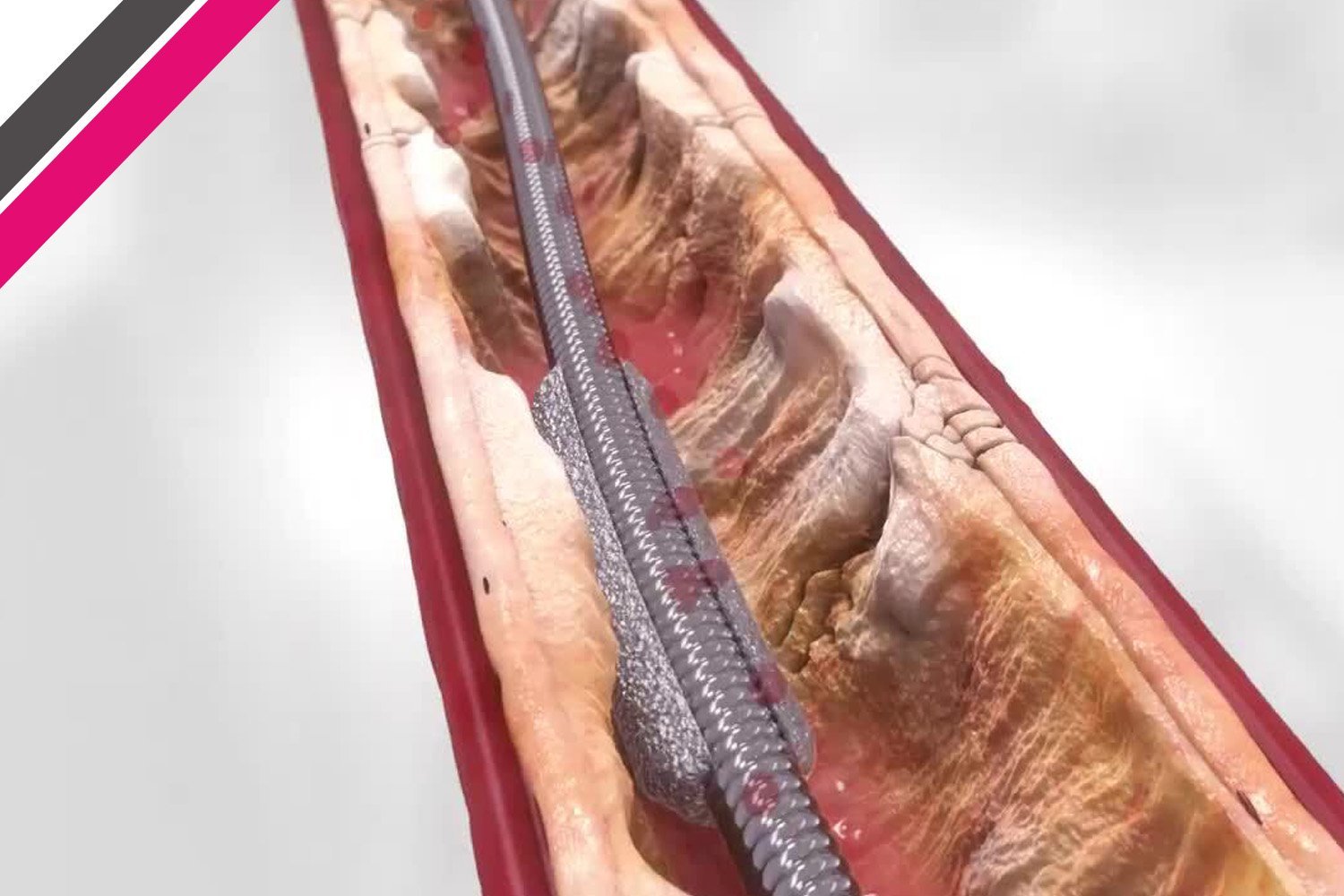
  • Diamond-coated precision technology targets only hard calcium.
  • Protects healthy tissue using centrifugal force physics.
  • Ensures stents expand fully to prevent future heart attacks.
  • Eliminates the need for high-risk, open-chest bypass surgery.
TAVI / TAVR Surgery
The Procedure

How Orbital Atherectomy Works

A precision catheter-based technique performed without opening the chest, designed for the most stubborn calcified vessels.

1
Diagnostic Mapping

Dr. Kabra utilizes advanced imaging techniques, such as Coronary Angiography and IVUS (Intravascular Ultrasound), to precisely map the thickness and location of the calcium inside your artery.

2
Calcium Modification

Under local anesthesia, a catheter is introduced through your wrist or groin. The diamond-coated crown is advanced to the blockage and activated, spinning rapidly to gently sand away the rigid calcium into microscopic particles.

3
Stent Placement & Recovery

With the hard calcium removed, a drug-eluting stent is effortlessly deployed and expanded perfectly against the newly softened artery walls. Patients typically experience immediate relief and are discharged within 24 to 48 hours.
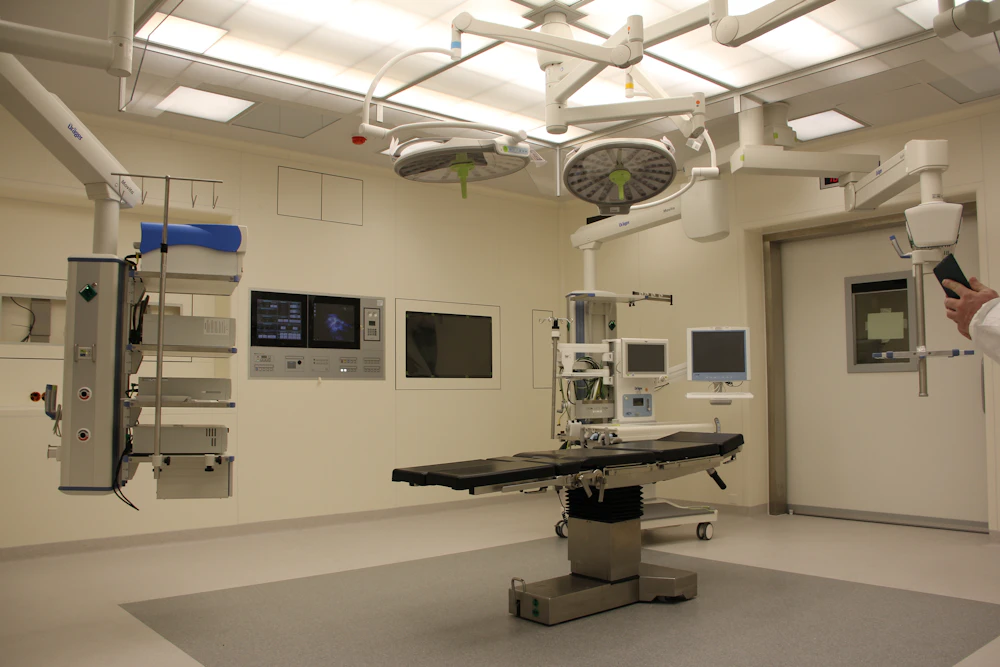
Advanced catheterization lab equipment for orbital atherectomy procedures
Narayana Hospital Additional Director, Cardiology
Why Trust Dr. Anshu Kabra

A Pioneer of Advanced Plaque Modification

15+ Yrs
Clinical Experience
20,000+
Cardiac Procedures
Add. Director
Narayana Multispecialty Hospital
Complex, severely calcified lesions are notoriously difficult to treat and require immense operator skill and specialized training.

I was told my blockage was too hardened to treat safely. Dr. Kabra used a technique I hadn't even heard of and it worked. I felt the difference in my breathing within days.

FAQs

Orbital Atherectomy Questions Patients Ask

Understanding this advanced technique for severely calcified coronary disease.

Ask Dr. Kabra Directly

Yes. It is an extremely safe and highly precise FDA-approved procedure. The diamond-coated crown is specifically designed utilizing centrifugal force physics—meaning it only sands away hard, rigid calcium while gliding safely and harmlessly over the soft, healthy parts of your artery wall.

A standard angioplasty relies solely on a balloon inflating to push plaque against the artery wall. If the plaque is calcified and hard as rock, the balloon cannot expand and may burst. Orbital Atherectomy is required first to drill and sand away that rock-hard calcium, preparing the artery so the stent can actually expand properly.

The procedure takes slightly longer than a routine angioplasty, typically ranging from 1 to 2 hours depending on the complexity of the blockages. Because it is minimally invasive (usually done through the wrist), recovery is remarkably fast. Most patients are up and walking the same day and are discharged from the hospital within 24 to 48 hours.

Request a Orbital Atherectomy Evaluation

Share your details and our care coordinator will reach out within a few hours to schedule your assessment.

Please enter the patient's name.
Please enter a valid mobile number.
WhatsApp Call Now Book Now